Choosing China’s best waterproof bathroom doors and windows requires more than comparing prices or attractive online photos. Bathrooms face constant steam, splashing water, cleaning chemicals, and temperature changes. These conditions can expose weak seals, poor drainage, and low-quality surface finishes within months. A reliable selection process examines materials, construction details, supplier experience, and after-sales support together.
This guide explains How to select waterproof aluminum doors and windows for bathrooms through practical checks. Look for corrosion-resistant aluminum profiles, reinforced corners, durable hinges, and EPDM or silicone sealing strips. Ask whether the frames include drainage channels and sloped thresholds. Inspect sample products closely. The seal should sit evenly, without gaps or visible adhesive marks. Glass should have clear safety documentation and consistent thickness. Small details matter.
Supplier verification also deserves attention. Review factory photographs, production records, test reports, and completed project references. Certifications can support trust, but they should be checked against the actual product model. A sample may look excellent while mass production differs. That risk is real. Request a pre-shipment inspection and confirm packaging protection before ordering. Measure wall openings carefully, because installation errors can imitate product failure. No bathroom door remains perfect without cleaning and maintenance. Even a strong frame may fail when workers ignore drainage or damage the seal during installation. The best decision balances waterproof performance, design, budget, and long-term service. It may require changing the original plan. That is often a sign of careful sourcing, not poor planning.
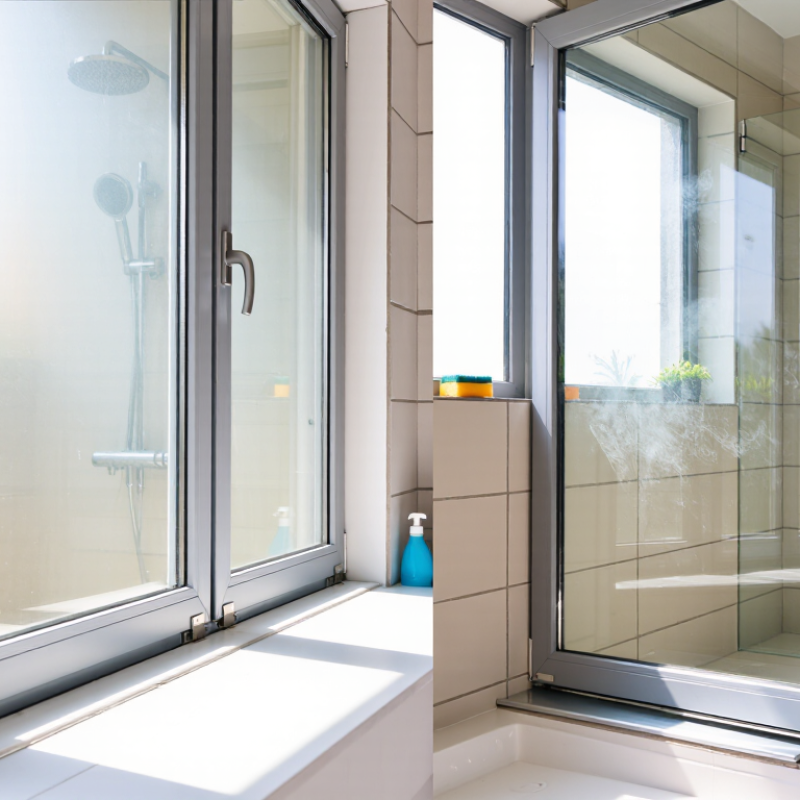
Selecting China’s best waterproof bathroom doors and windows starts with the room’s moisture requirements, not appearance. The U.S. Environmental Protection Agency recommends indoor humidity between 30% and 50%. A bathroom often exceeds this range after a hot shower. Therefore, frames need stable seals, sloped drainage channels, and corrosion-resistant hardware. Thermally separated aluminum or well-finished uPVC can reduce condensation around the frame. Glass should also match the safety requirements of the project.
Ventilation is equally important. ASHRAE Standard 62.2 recommends bathroom exhaust of 50 cubic feet per minute intermittently, or 20 cubic feet per minute continuously. Without airflow, even a well-sealed door may develop mold around corners. Request water-penetration, air-leakage, and hardware-cycle test records from the supplier. For China production, compare test methods with applicable GB standards and project specifications. A report without test conditions is weak evidence.
Tips: Check the bottom seal by spraying water for several minutes. Inspect the interior corners afterward. Ask for frame section drawings and drainage details. I once underestimated the importance of installation tolerance; a perfect-looking product still leaked after uneven fitting. No specification is perfect. Leave adjustment space, confirm replacement seals, and inspect sample units before mass production. Pay attention to hinges, screws, and tracks, because small metal parts often fail before the main frame.
How to Select China Best Waterproof Bathroom Doors Windows
Comparing Materials, Designs, and Waterproofing Performance
Choosing bathroom doors and windows from China requires more than checking appearance. In my experience, material selection strongly affects moisture resistance, maintenance, and service life. uPVC resists water well and needs little upkeep, while aluminum offers stronger frames and slimmer profiles. Fiberglass can perform reliably, but its surface quality varies between manufacturers. Tempered glass is practical for shower doors, especially when paired with corrosion-resistant hardware.
Design details matter just as much. Look for overlapping seals, sloped sills, covered drainage channels, and tightly joined corners. A low threshold may improve accessibility, but it can allow water to escape if the seal is poorly fitted. Sliding doors save space, although their bottom tracks may collect hair and standing water. Hinged doors are easier to clean, yet they need accurate installation.
Waterproofing performance should be verified with test records, section drawings, and sample inspection. Ask whether the supplier performs water spray tests and checks air leakage around the frame. A showroom sample can mislead. I have seen attractive doors fail because installers left gaps behind the trim. On-site sealing, wall alignment, and drainage are equally important. No choice is perfect. Compare actual test results, hardware quality, replacement support, and installation guidance before placing an order.
Choosing China’s best waterproof bathroom doors and windows requires more than comparing catalog photos. A reliable manufacturer should provide test reports for water tightness, air permeability, wind resistance, and thermal performance. Request reports linked to the exact profile, glass, sealant, and hardware. GB/T 7106 is a useful reference for door and window performance, but project conditions still matter.
UNEP’s Global Status Report for Buildings and Construction 2023 states that buildings consumed about 30% of global final energy in 2022 and produced roughly 26% of energy-related emissions. Better seals and insulated frames can reduce moisture damage and unnecessary cooling demand. Check the frame’s material grade, drainage channels, corner welding, gasket recovery, and hardware corrosion resistance. Ask whether testing used repeated opening cycles and water pressure, not only a new sample.
Factory evaluation should include production records, incoming-material inspection, batch traceability, and an independent laboratory certificate. Visit the workshop if possible. Look for clean welding lines and protected finished surfaces. Small details matter. A showroom sample can be perfect. The shipped batch may not be. I would also test one installed unit after heavy rain, because installation gaps often defeat good factory performance. “Waterproof” is not absolute; drainage design, wall movement, and local weather can expose weaknesses that a standard report misses.
How to Select China Best Waterproof Bathroom Doors Windows
When selecting waterproof bathroom doors and windows from China, verify documents before comparing prices. Request current certificates, factory quality records, and test reports for water resistance, air leakage, and wind pressure. Check whether the reports match the exact profile, glass, hardware, and size you will purchase. A certificate for another model proves little. Confirm testing laboratories and applicable local building requirements with an independent professional.
Customization should solve practical problems, not only improve appearance. Share opening measurements, wall thickness, drainage needs, glass type, color, and hardware preferences. Ask for shop drawings and a physical sample before mass production. In my project inspections, small details mattered: a raised threshold reduced splash entry, while a poorly positioned handle blocked cleaning. I once accepted a standard frame too quickly. That mistake caused extra sealing work. Measure twice.
Pricing requires a complete comparison. Request separate costs for doors, windows, glass, hardware, packaging, delivery, and taxes. The lowest quote may exclude reinforced frames or protective wrapping. Discuss payment milestones tied to approved samples and inspection results. For delivery, confirm production time, loading photos, carton labels, replacement procedures, and shipping responsibilities in writing. Keep a realistic buffer for holidays, port delays, and rework. Good suppliers communicate problems early, although no schedule is perfect.
Selecting the Best Supplier Through Testing and Contract Review
A reliable China waterproof bathroom door and window supplier should provide more than polished samples. Request a full-size sample with the proposed frame, glass, seals, hinges, and drainage parts. Test it under repeated water spray, not only once. Check leakage around corners, screw points, and the lower threshold. Use a simple moisture meter behind the frame. Small damp areas often reveal poor installation details.
Ask for test records that identify the sample, date, method, and measured results. Confirm who performed the test and whether the process matches applicable local requirements. Review air leakage, water resistance, hardware durability, and coating adhesion when relevant. Factory visits can add useful evidence. Watch workers install seals and adjust hinges. A clean showroom proves little.
The contract should describe materials, dimensions, tolerances, glass type, seal specifications, packaging, inspection rights, and replacement procedures. Attach approved drawings and test requirements. Payment should depend partly on inspection results, not promises alone. Define how defects are reported and how quickly corrections must occur. Keep photographs and signed sample records. Details matter.
I once overlooked drainage slope during a sample review. The frame passed a brief spray test, yet water remained inside the track. That mistake changed my checklist. Testing should imitate real use, including repeated opening, imperfect leveling, and heavy rain. No supplier is flawless. A clear contract makes weaknesses visible before they become expensive site problems.
Request reports for water tightness, air leakage, wind resistance, and thermal performance. Each report should identify the exact frame, glass, seals, and hardware. Generic reports are weak evidence.
A full-size sample shows the complete assembly, including hinges, drainage parts, and the lower threshold. Catalog images cannot reveal corner leakage or poor seal contact. Check the real details.
Test the unit under repeated water spray, not just one brief test. Inspect corners, screw points, tracks, and threshold areas. Use a moisture meter behind the frame.
Look for clean welding lines, protected surfaces, effective drainage channels, and recovered gaskets. Check incoming-material records and batch traceability. A perfect showroom sample proves little.
Visit the workshop when possible, and watch workers install seals and adjust hinges. Review production records, inspection procedures, and storage conditions. The visit may still miss hidden problems.
Define materials, dimensions, tolerances, glass type, seal specifications, packaging, and inspection rights. Attach approved drawings and testing requirements. Payment should partly depend on inspection results.
Yes. Wall movement, poor leveling, installation gaps, and heavy rain can defeat good factory performance. Test one installed unit after severe weather. Waterproof is not absolute.
I once overlooked the drainage slope during a sample inspection. The frame passed a short spray test, but water remained inside the track. That changed my checklist.
Choosing the right bathroom doors and windows requires more than comparing appearance and price. First, define the room’s waterproofing needs, including humidity, water exposure, ventilation, sealing, drainage, and daily use. Then compare aluminum, uPVC, and other suitable materials by examining corrosion resistance, structural strength, thermal performance, glass safety, hardware durability, and overall design. To understand how to select waterproof aluminum doors and windows for bathrooms, pay close attention to frame construction, drainage channels, gasket quality, corner joints, and the effectiveness of the surface finish.
When evaluating Chinese manufacturers, review their production capabilities, quality-control procedures, testing records, and experience with customized projects. Confirm available certifications, dimensional tolerances, color options, glass configurations, packaging standards, pricing details, lead times, and after-sales support. Before placing an order, request samples or conduct practical water-resistance and operation tests. Finally, review the contract carefully to clarify specifications, inspection standards, delivery responsibilities, warranty terms, and solutions for defects. A reliable supplier should offer consistent quality, transparent communication, and a complete service process from design to delivery.

Envi Window